Recent Ruins / Catalogue / Wood
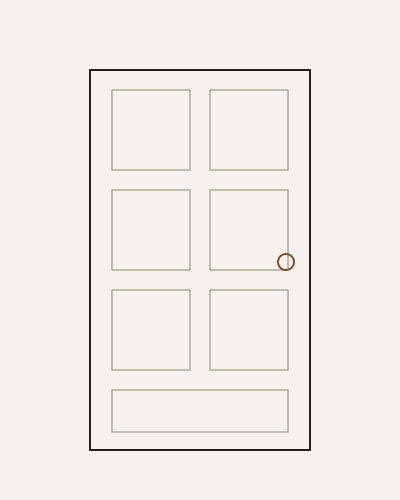
Salvaged doors
| Period range | 1820-1940 |
|---|---|
| Usual fabric | Pine, fir, oak; occasionally chestnut |
| Usual form | Two, four, five and six-panel arrangements, glazed and half-glazed |
| Wear to expect | Racked stiles, filled lock mortices, paint built up to obscure the mouldings |
Panel count is a rough clock, but the mortice history on the lock stile tells you far more about where a door has actually been.
What it is
A panelled door is a frame of stiles and rails with floating panels, and the arrangement of those panels moves with period and with the status of the room. Six-panel work is generally earlier, four and five-panel arrangements common through the middle period, and two-panel doors with a high rail typical of later work. Glazed and half-glazed doors were used at the back of the house and on porches.
How to tell age
Read the joint and the moulding. Through-tenons pegged at the stile are earlier than glued dowels. A moulding worked directly into the solid frame is earlier than a planted moulding pinned on. Panels that are chamfered and raised on one side only usually faced the better room, which also tells you which way the door originally hung.
What commonly fails
Doors rack out of square once the joints loosen, and a racked door will not close no matter how it is planed. Repeated lock changes leave a lock stile that is more filler than timber. Panels split where they were pinned instead of left floating, which is a maker's error that only shows after a century of movement.
What to check before fitting
Stand the door on a flat floor and check both diagonals; unequal diagonals mean racking. Measure width, height and thickness, and measure the actual opening in all three places, not one. Look along the face in raking light for the ghost of previous hardware, which tells you what will need filling before painting.